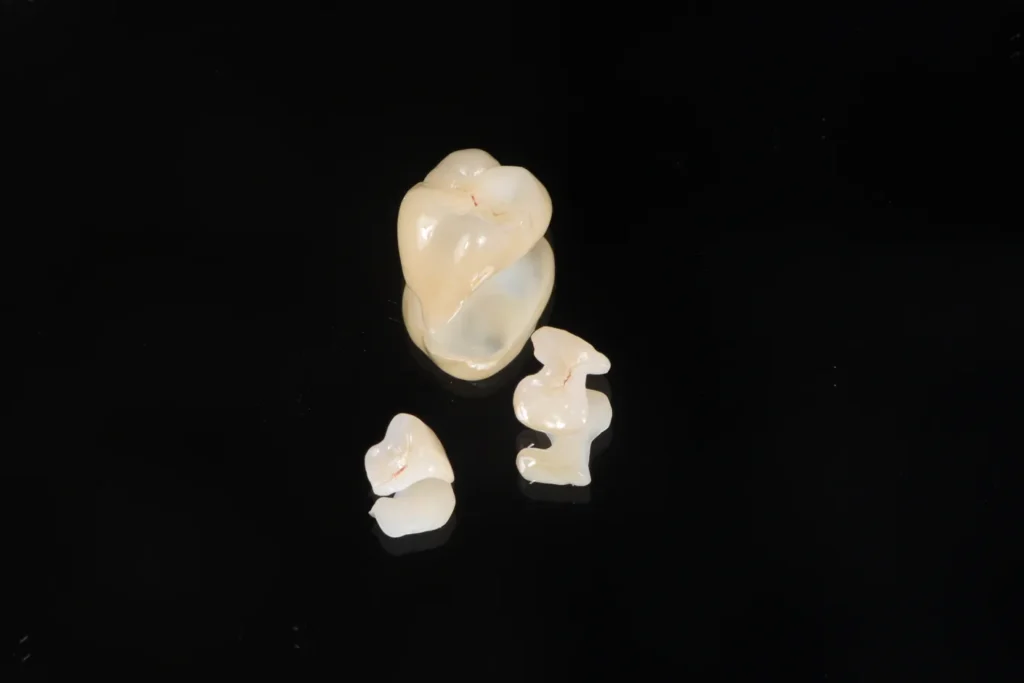
Porcelain: a durable treatment at VLIJT Tandartsen in Eindhoven
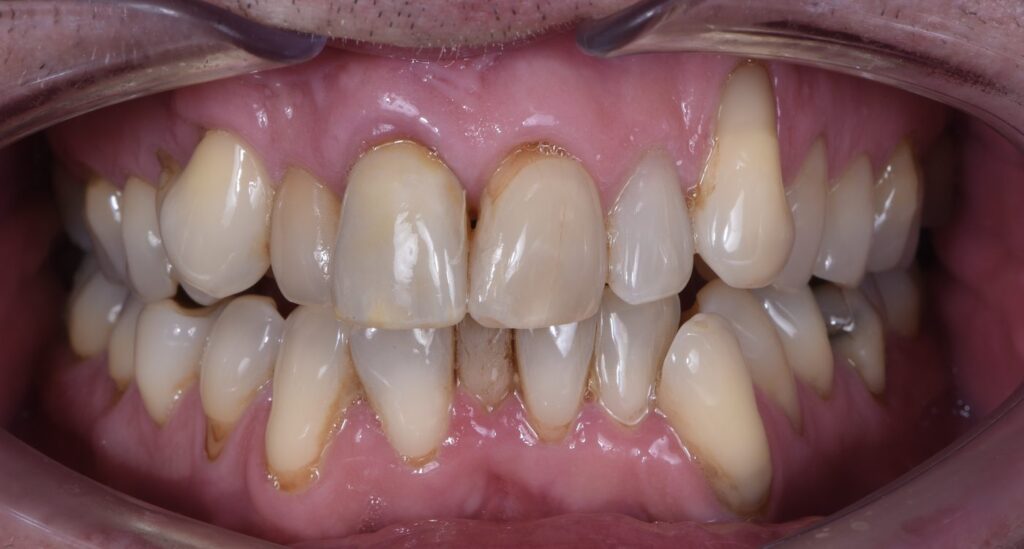
Porcelain dental restorations are growing in popularity due to their durability and natural appearance. In this article, we explain what porcelain crowns, inlays, and onlays are, what benefits they offer, and how they contribute to a healthy, confident smile. At VLIJT Tandartsen in Eindhoven, we perform these treatments with attention to both function and aesthetics. Many patients are looking for long-lasting solutions for dental restoration; porcelain is often an excellent choice. Below, we discuss the benefits, the step-by-step placement process, costs and reimbursement options, plus the most frequently asked questions.
Why are porcelain crowns and bridges durable and natural-looking?
Porcelain crowns and bridges combine strength with a realistic tooth colour and transparency. The material is wear-resistant and retains its colour well, making it a long-lasting solution for damaged teeth.
Porcelain is also a very hard and strong material, which generally means it lasts longer than composite. Because porcelain closely matches the existing tooth structure, it looks very natural – an important advantage for those who want to restore both function and aesthetics.
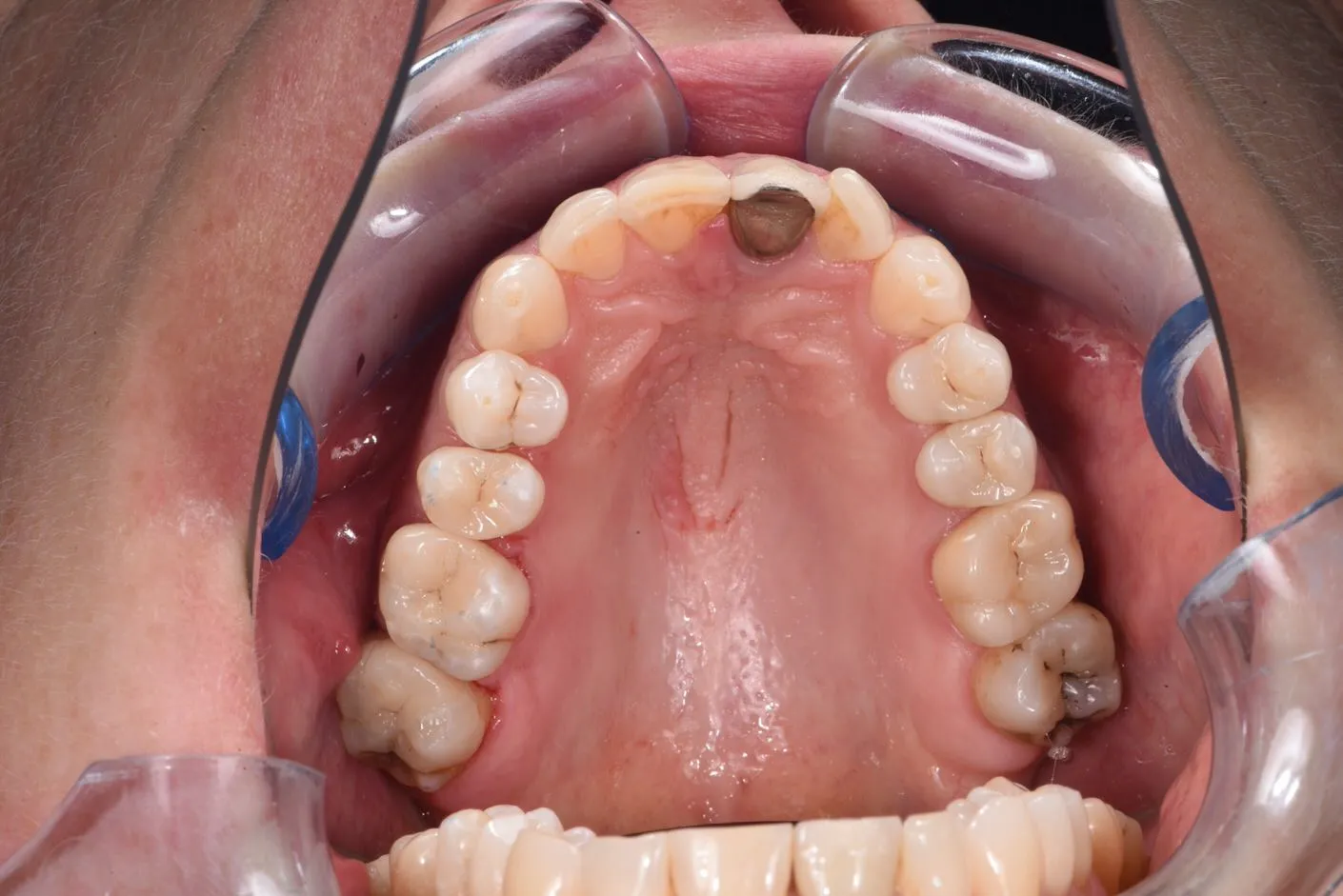
What are the main benefits of porcelain crowns for restoration and appearance?
Porcelain crowns offer multiple advantages: they are durable and last for years with proper maintenance; they visually blend closely with your natural teeth; and they are biocompatible, which minimises the risk of allergic reactions. For many patients, this means not only better chewing function but also more confidence in their smile.
How does the placement process for porcelain crowns and bridges work at VLIJT Tandartsen?
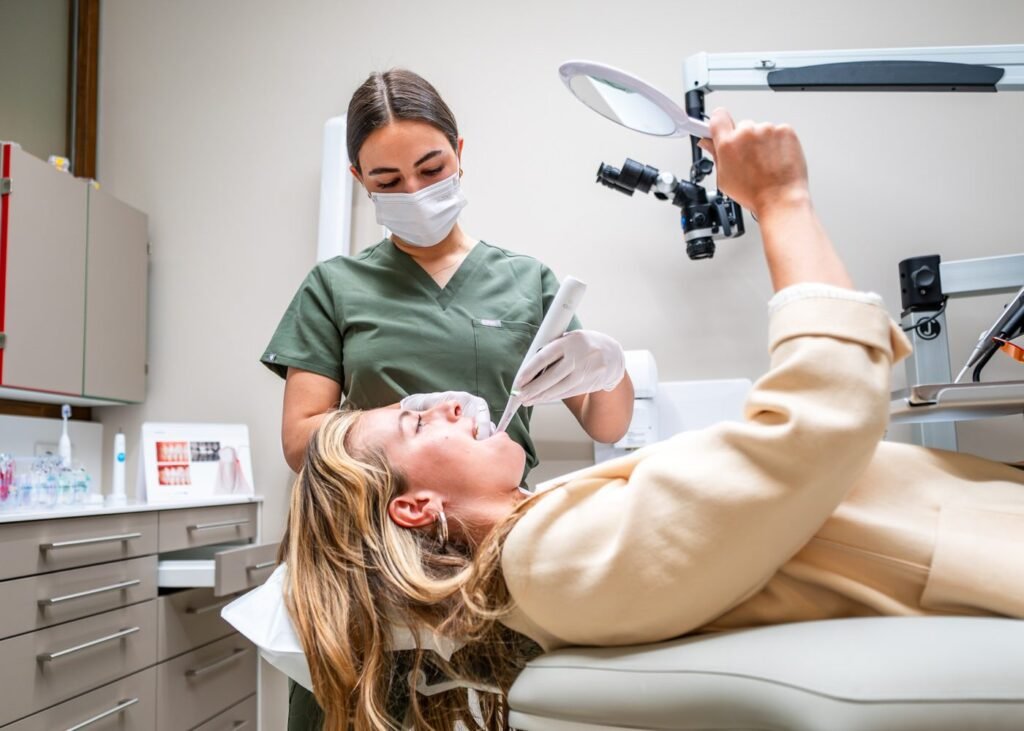
Treatment begins with a comprehensive consultation in which we examine your oral situation and discuss options. The tooth is then prepared – sometimes it is necessary to remove part of it to create space for the crown or bridge. We take precise scans; the restoration is custom-made in the dental laboratory. During placement, we carefully adjust the crown or bridge so that both function and aesthetics are optimal.
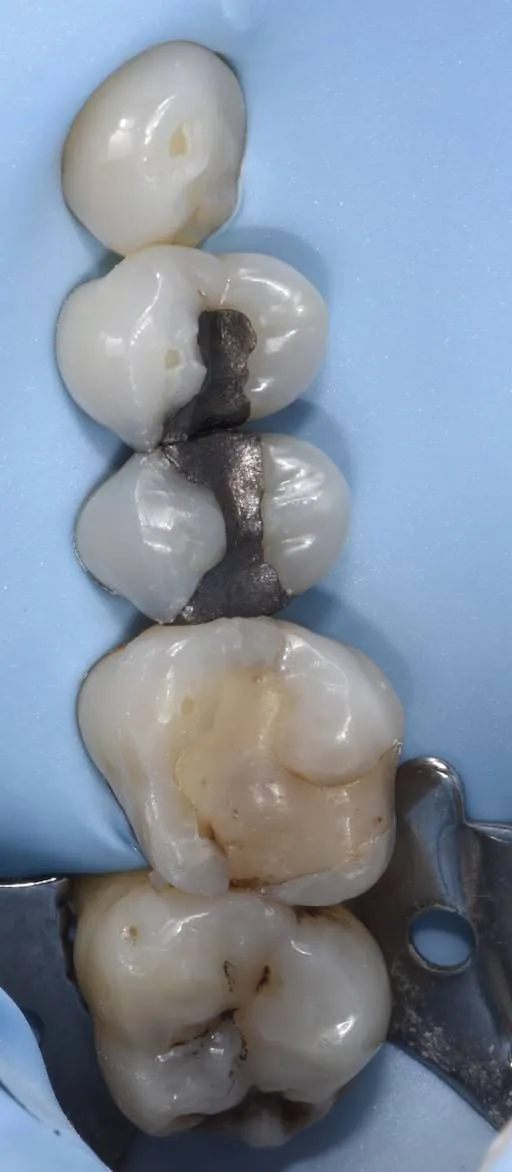
What are porcelain inlays and onlays and why are they a durable alternative?
Porcelain inlays and onlays are precise, custom-made restorations that repair damaged parts of teeth. Inlays fill the chewing surface within the tooth, while onlays can also cover larger areas and cusps. They are a durable alternative to traditional fillings and preserve as much of the natural tooth structure as possible.
How do porcelain inlays and onlays differ from traditional fillings and crowns?
Inlays and onlays are manufactured in the laboratory from porcelain, which offers better aesthetics and longer colour stability than many traditional filling materials. Unlike large crowns, they usually require less preparation of the tooth, as they specifically repair damaged areas and leave the rest of the tooth as intact as possible.
What is the treatment process and what advantages do these restorations offer?
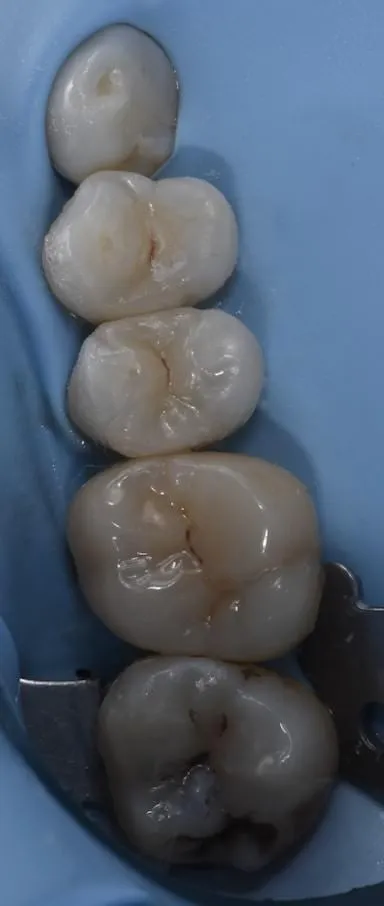
After a thorough assessment, we prepare the tooth and take a scan for the laboratory. The inlay or onlay is custom-made and definitively placed during a follow-up session. The result is a strong, aesthetic restoration that contributes to the preservation of tooth tissue and long-term oral health.
What costs and reimbursements apply to porcelain treatments?
The price of porcelain treatments depends on the type of restoration and the complexity of your situation. Contact us for the options and more information.
What reimbursement options and insurance possibilities are available for porcelain dentistry?
Some health insurers offer (partial) reimbursements for aesthetic and restorative treatments, depending on your policy and supplementary coverage. Contact your insurer to check what your reimbursement covers and what administrative steps are needed to submit a claim.
What frequently asked questions do we answer about porcelain dentistry?
At VLIJT Tandartsen, we frequently receive questions about porcelain restorations. Below, we address the most common topics and provide practical answers.
What are the main advantages of porcelain fillings and restorations?
Key advantages include durability, natural aesthetics, and biocompatibility. Porcelain retains its colour and shine and is less susceptible to staining than some other materials. Additionally, preserving tooth tissue with inlays/onlays supports long-term oral health.
How do I maintain my porcelain restorations for a long lifespan?
Good maintenance extends the lifespan: maintain good oral hygiene (brush twice a day and floss daily), return regularly for check-ups and professional cleaning, and preferably use a soft toothbrush. Avoid high stress such as nail-biting or opening packaging with your teeth to limit wear.
Why do patients in Eindhoven choose VLIJT Tandartsen for porcelain treatments?
Patients choose VLIJT Tandartsen for our combination of craftsmanship, personal attention, and clear communication. We take the time to choose the best solution together with you, tailored to both aesthetics and function.
What experience and specialisations do our dentists have in aesthetic and restorative dentistry?
Our dentists have extensive experience with aesthetic and restorative treatments and continuously invest in continuing education and modern techniques. This ensures that you are treated according to current standards and with an eye for detail.
How do we ensure comfort, flexibility, and personal guidance during your treatment?
At VLIJT Tandartsen, your comfort comes first. We offer flexible appointments, a calm treatment environment, and personal guidance during every step of the process. This way, you feel heard, informed, and at ease.