A dentition that has worn down over the years is often only noticed when the effects can no longer be ignored: a lower bite, sharp edges, sensitive teeth, or a smile that looks distinctly less full. With tooth wear, the causes are usually invisible in daily life, but the damage builds up over years. In this case study at VLIJT Tandartsen in Eindhoven, we show how a multidisciplinary approach with our orthodontic partners restored a fully worn dentition in form, bite and function.
What is tooth wear?
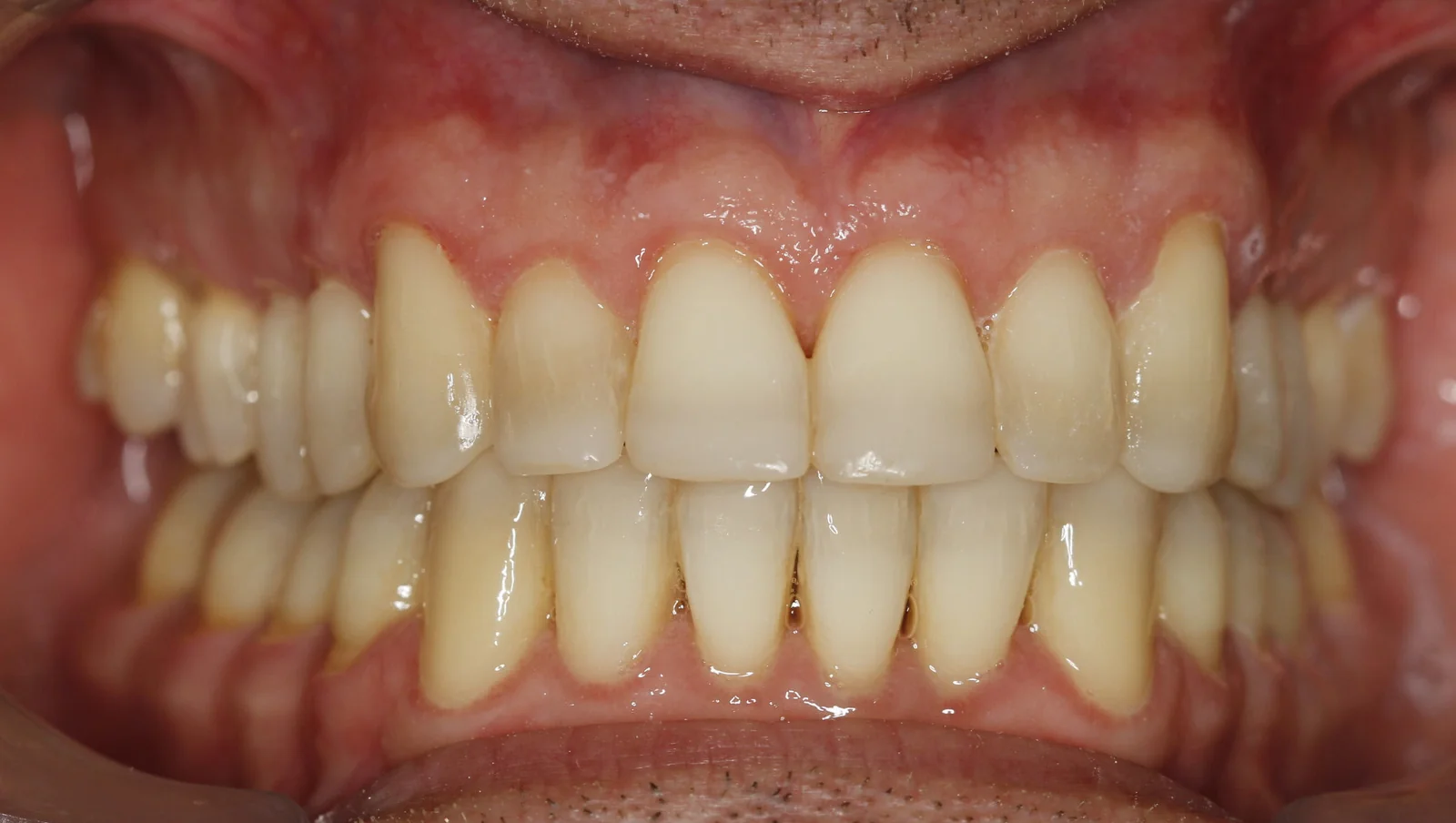
Tooth wear is loss of tooth tissue that does not grow back. Tooth enamel is the hardest material in your body, but it is vulnerable to acids and mechanical load. When wear progresses, you lose not just enamel, you lose bite height. Your teeth become shorter, the relationship between upper and lower jaw changes, and the function of the dentition deteriorates.
Wear has roughly three causes that can act alone or in combination:
- Erosion: chemical wear from acids. Think soft drinks, sports drinks, citrus fruits, or, as in this case, prolonged exposure to acidic chlorinated water.
- Attrition: mechanical wear from teeth grinding against teeth. Often caused by grinding or clenching.
- Abrasion: wear from external factors, such as brushing too hard or incorrect brushing technique.
In this blog we look at a patient with wear across his entire dentition, caused by a combination of dental position and function plus years of exposure to chlorinated water.
The case: an active water polo player with accumulated damage
Our patient is an adult man who plays water polo at a high level. Several times a week he is in the pool to train and compete. A huge plus for his sport. A clear factor for his teeth over time.
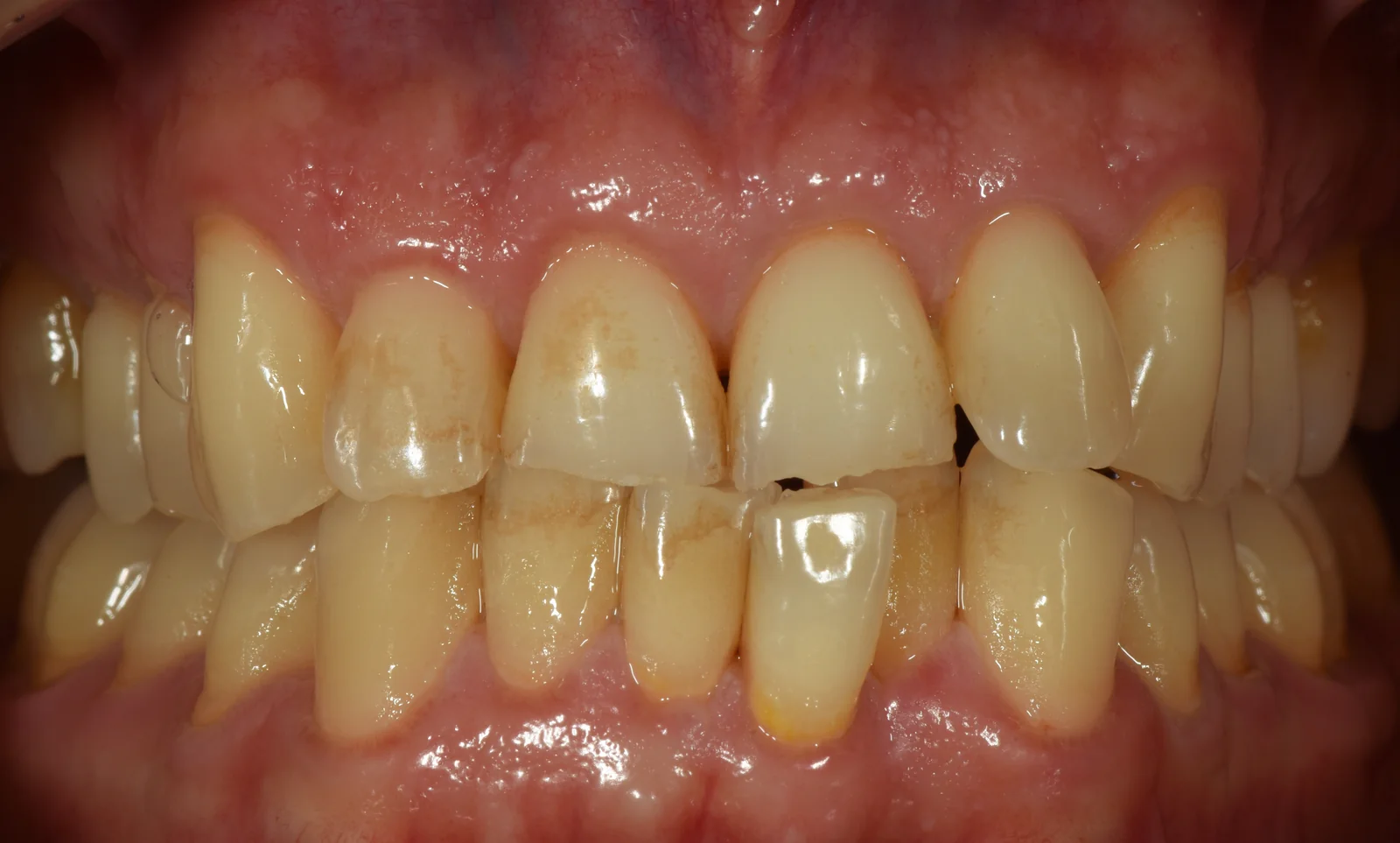
What we see clinically at intake:
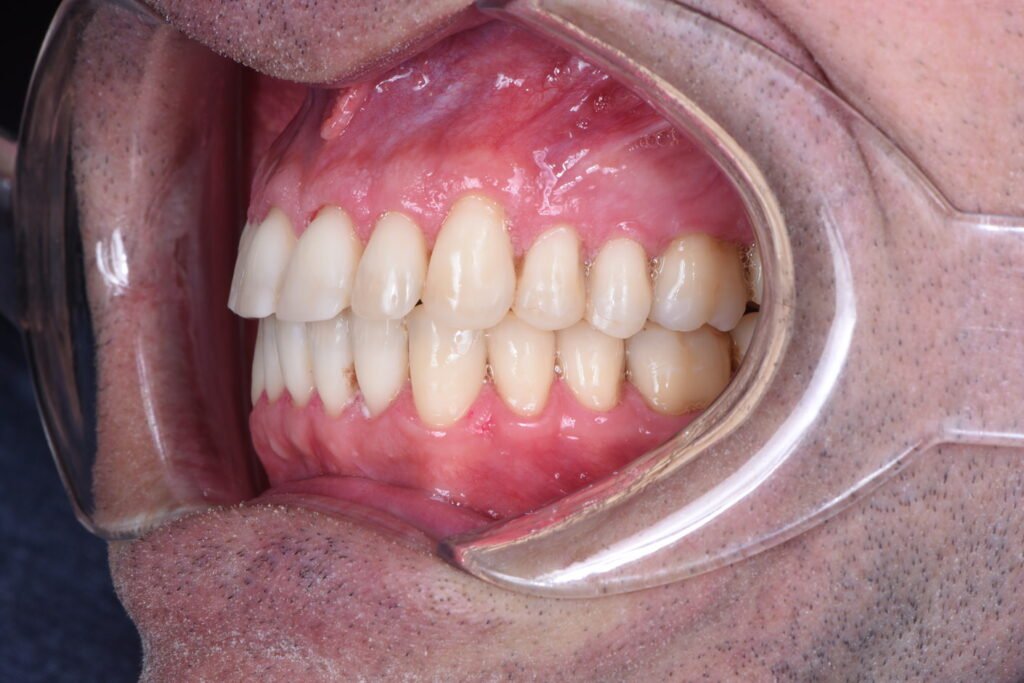
- Wear across all teeth, not just local but evenly distributed
- Loss of bite height because the upper and lower jaw no longer meet in their original relationship
- Sharp edges on the front teeth, a typical sign of advanced enamel loss
- Position and function of the dentition that have accelerated the wear: teeth that do not meet optimally place extra load on specific points
- Dental erosion caused by regular exposure to acidic water
The combination of position, function and chlorinated water makes this case distinctive, and shapes which route we choose.
Why chlorinated water damages your teeth
Pool water is treated with chlorine to kill bacteria. For chlorine to work optimally, the pH value of the water is kept within a specific range. In practice, that pH sometimes drops too low, making the water acidic.
When you submerge your face in acidic water multiple times a week, the protective tooth enamel slowly dissolves. This process is called dental erosion. The enamel becomes thinner, teeth become more sensitive, and over time you see discolouration and shorter teeth. For competitive swimmers and water polo players this is a known but rarely discussed risk.
For this patient the combination was clear: years of intensive training had systematically weakened the enamel, and the dental position did the rest. He was aware of the damage and wanted to start a path to bring everything back into shape.
Why we chose a multidisciplinary approach
For tooth wear of this scale, you cannot rely on just placing composite fillings on the worn spots. That might look good for a few months, but within a year you are back to the same problems in slightly different places. Position and function have to be right first before any restoration is durable.
That is why we chose a multidisciplinary approach: collaboration with an orthodontist who first optimises the position of the teeth with braces, followed by composite buildup from our own practice to restore the lost bite height.
At VLIJT we offer orthodontics through aligners, but not every case fits that route. For this patient, fixed braces were clinically more appropriate due to the complexity of the movements needed. A specialist orthodontist treats this kind of case more durably than we could with aligners.
A strong collaboration with the orthodontist is essential for this treatment to succeed. Together with the orthodontist we put together a treatment plan and timeline before taking any step. That plan is then discussed thoroughly with the patient so he knows exactly what to expect, how long it takes, and what the end goal is.
The treatment: braces first, then buildup
We go through the path in three main phases:
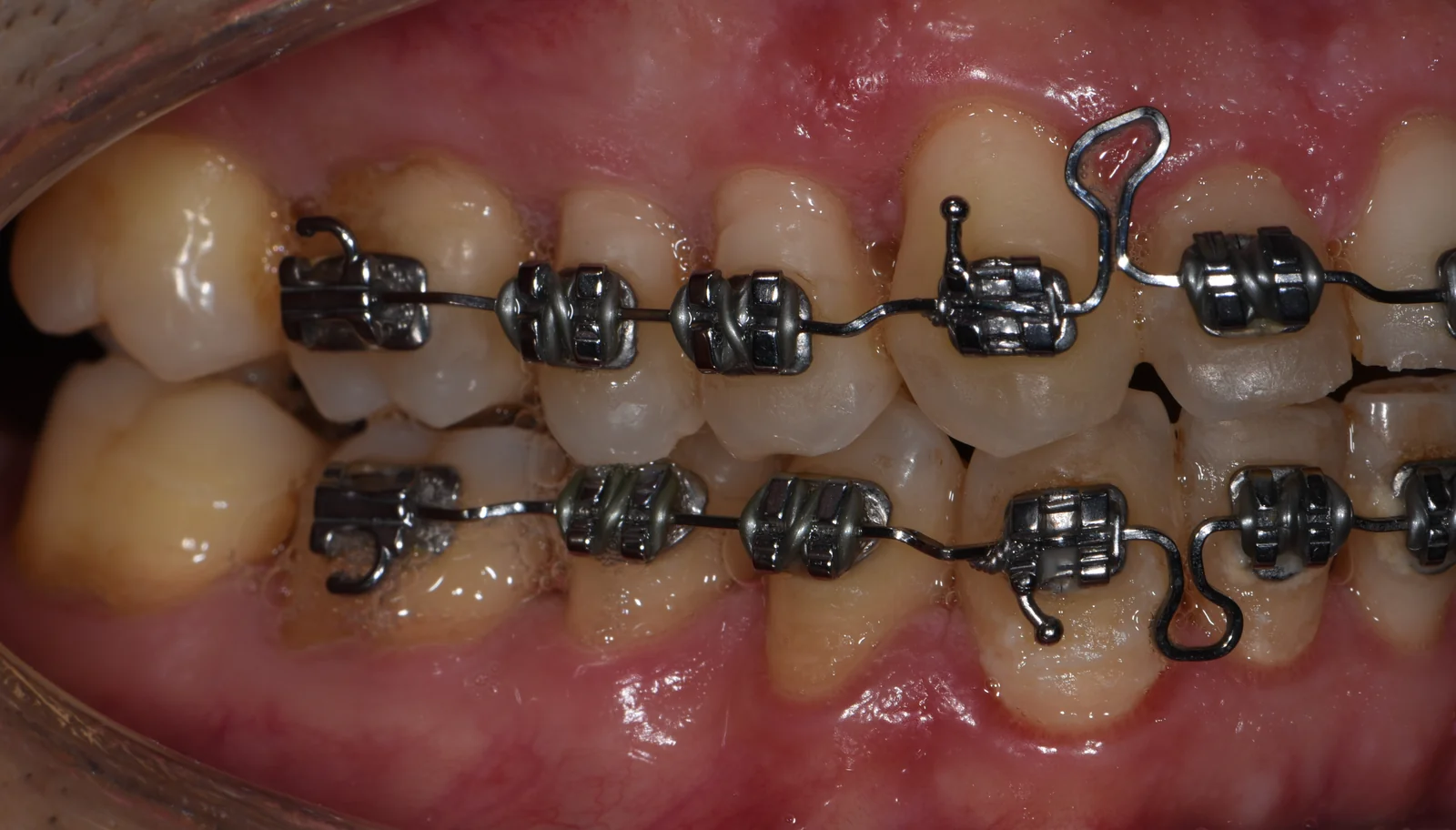
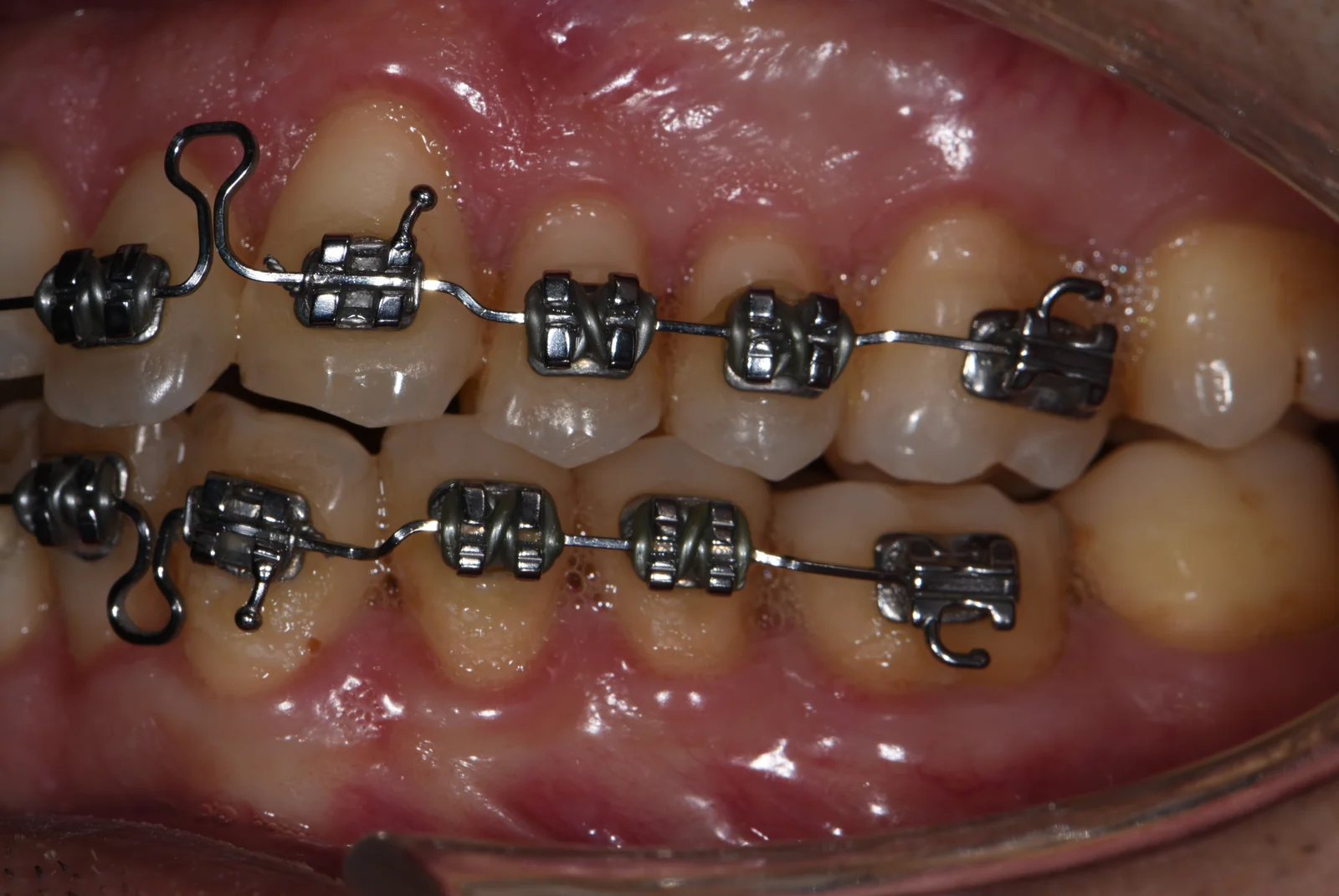
- Orthodontic phase with fixed braces via our partner orthodontist. Goal: bring the teeth into the right position so the bite is correct again and wear patterns do not return.
- Preparation phase where, as the orthodontic treatment approaches completion, we use a wax-up to set the right proportions in the upper and lower jaw.
- Composite buildup where we restore the lost tooth height with composite, a minimally invasive way to correct wear without sacrificing healthy tooth structure.
Step 1: The braces do their work
Before the composite buildup can begin, the dental position has to be right. The orthodontist places fixed braces and guides the teeth step by step into the position that fits the long-term plan. This phase takes several months up to about a year, depending on how much movement is needed.
During this phase we as a practice do not perform active treatments. We do monitor along the way, so we know when the orthodontist is close to finishing the fine-tuning and we can step in.
Step 2: The wax-up
When the braces have nearly done their work, we start with a wax-up on gypsum models. Our dental technician builds the new situation in wax on those models, with the correct bite height, proportion and tooth shape. This is the blueprint we will work with.
The wax-up is discussed with the patient so he sees the eventual shape beforehand. No surprises afterwards, no “we’ll see how it turns out”.
Step 3: The composite buildup
In one treatment day, or in a few consecutive sessions, we apply composite to the worn tooth surfaces. We work from the wax-up, so each tooth gets exactly the shape and height we have designed beforehand.
Composite is a minimally invasive choice: we do not need to grind away healthy tooth tissue to make room as we would with crowns or veneers, and we can adjust or replace the treatment relatively easily later if needed.
Step 4: Final phase with the braces
On the same day as the composite buildup, the patient returns to the orthodontist. The braces are reattached to set the teeth, now with their new composite surfaces, into the optimal bite. This is the final fine-tuning that the collaboration between our practice and the orthodontist makes possible.
The result: a complete smile restored
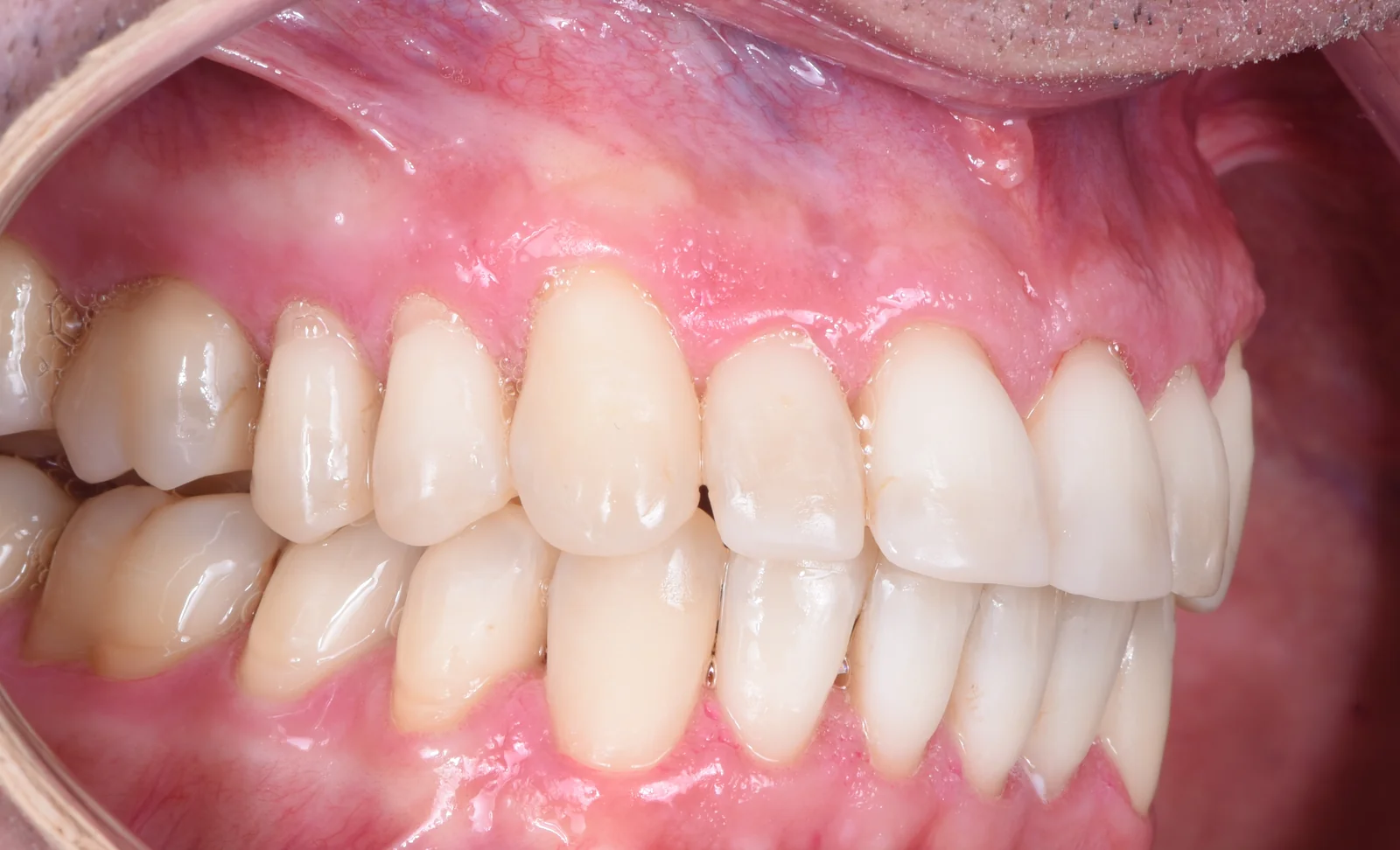
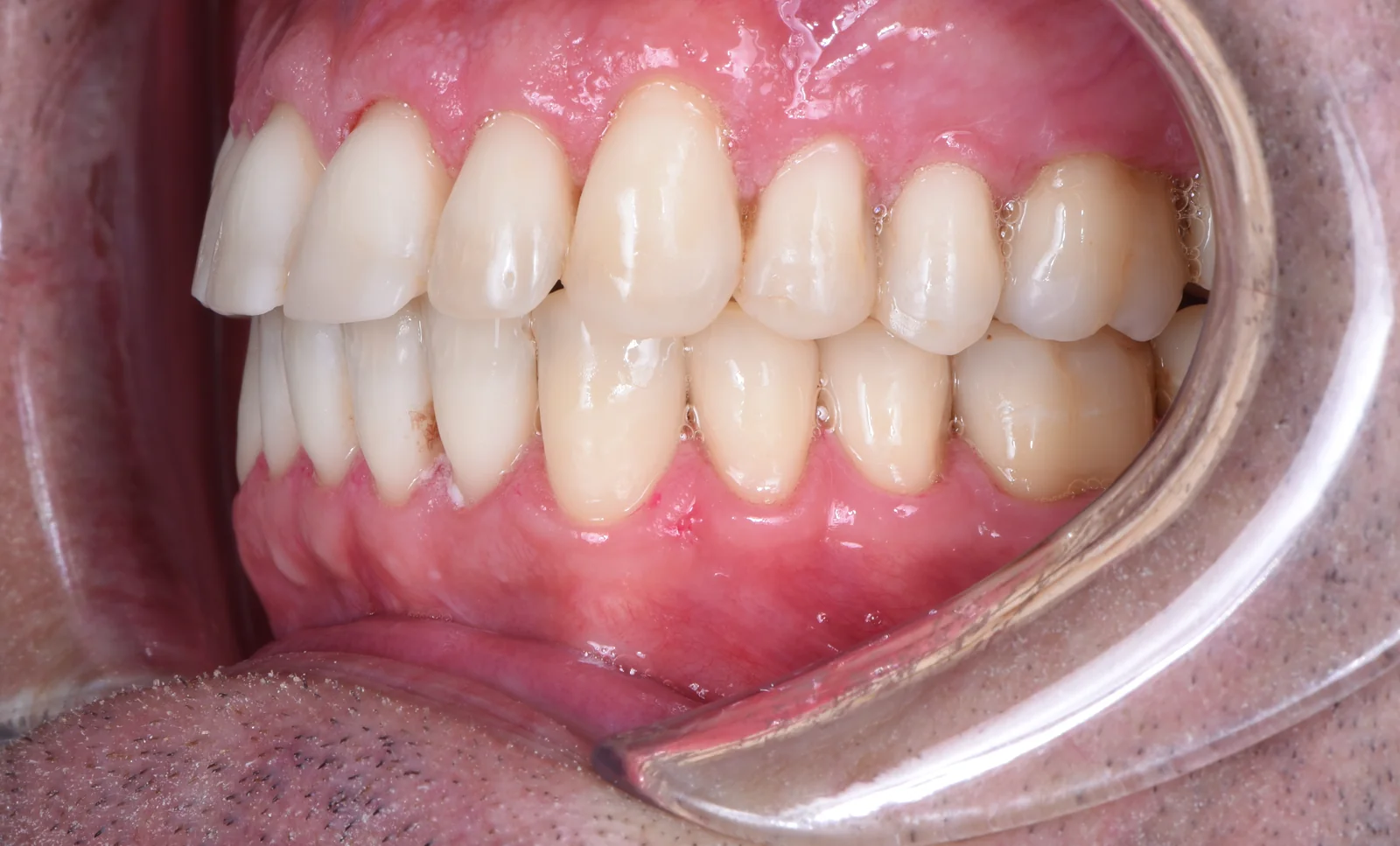
What you see at the end of the path:
- Bite height restored: upper and lower jaw are back in the right relationship
- Function optimal again: chewing distributes load as it should, no more local overload
- Aesthetics regained: teeth are back in proportion, sharp wear edges are gone, the smile feels full and natural
- Durable recovery: because the position is right and the wear-causing factors (in this case water polo exposure) are reduced or stopped, the result lasts long
The patient plans to step down from the sport at the old level, which further supports the durability of the recovery. Important: stopping the sport is not a requirement for this kind of treatment. For people who want to continue, we can set up an adjusted maintenance and prevention schedule.
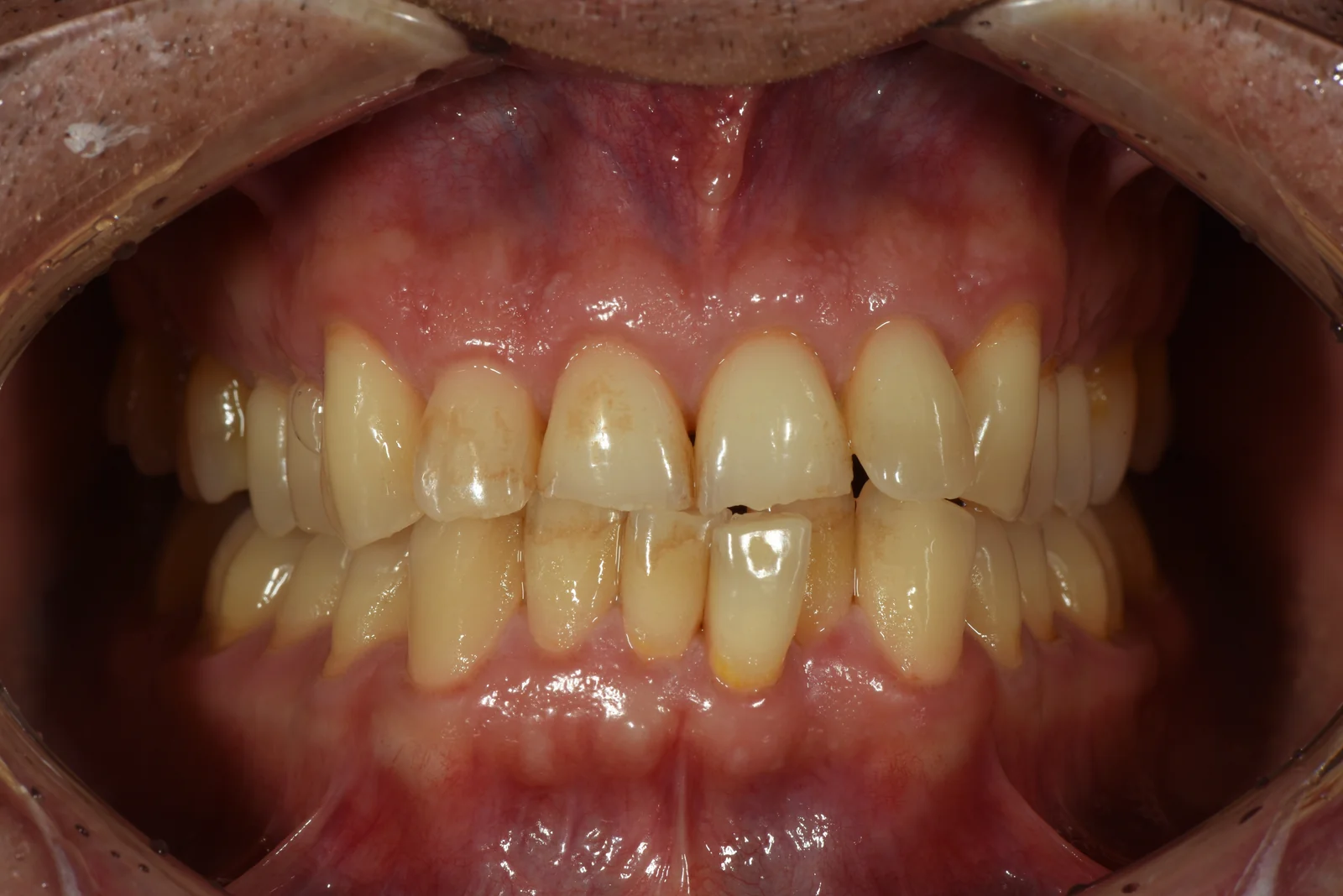
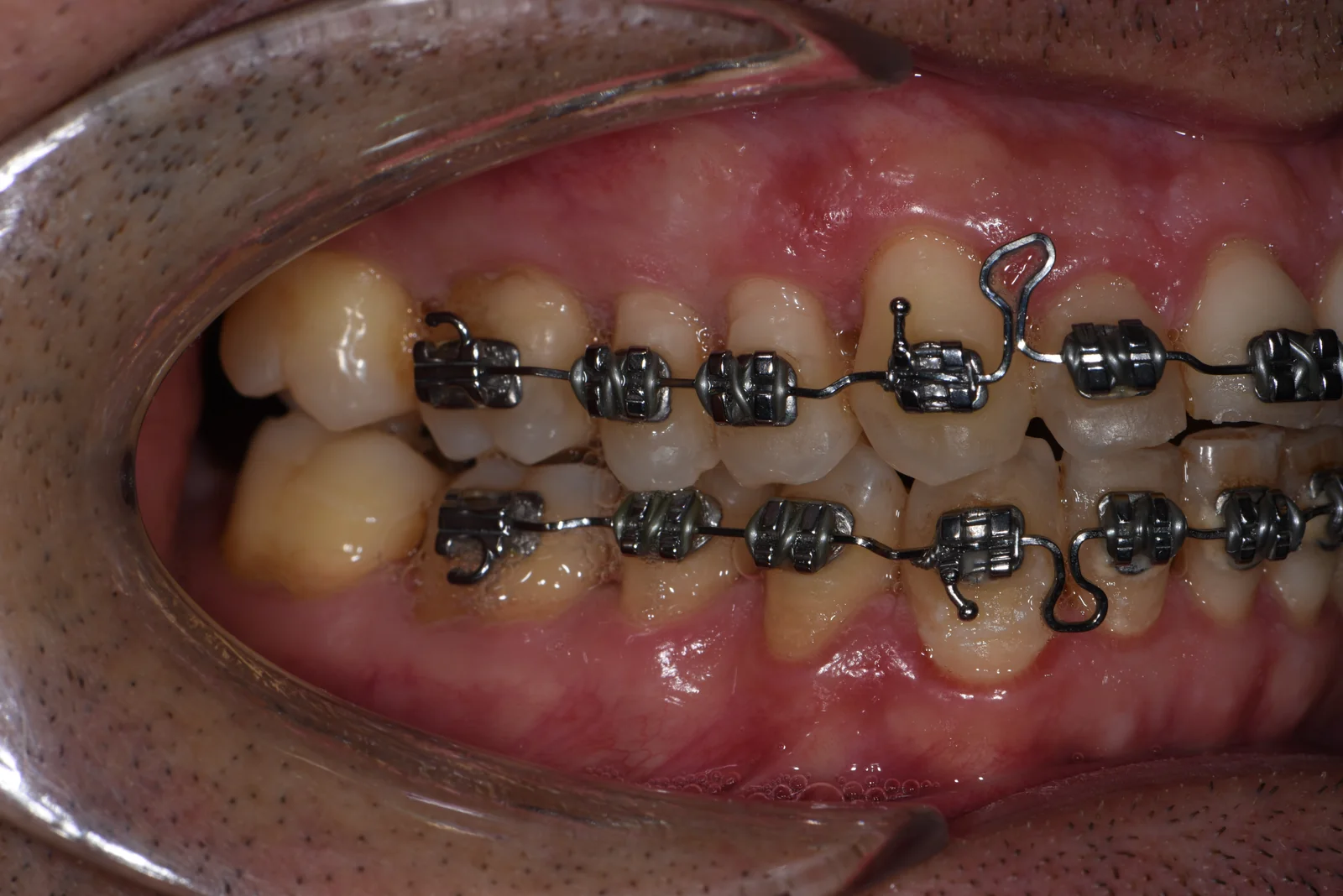
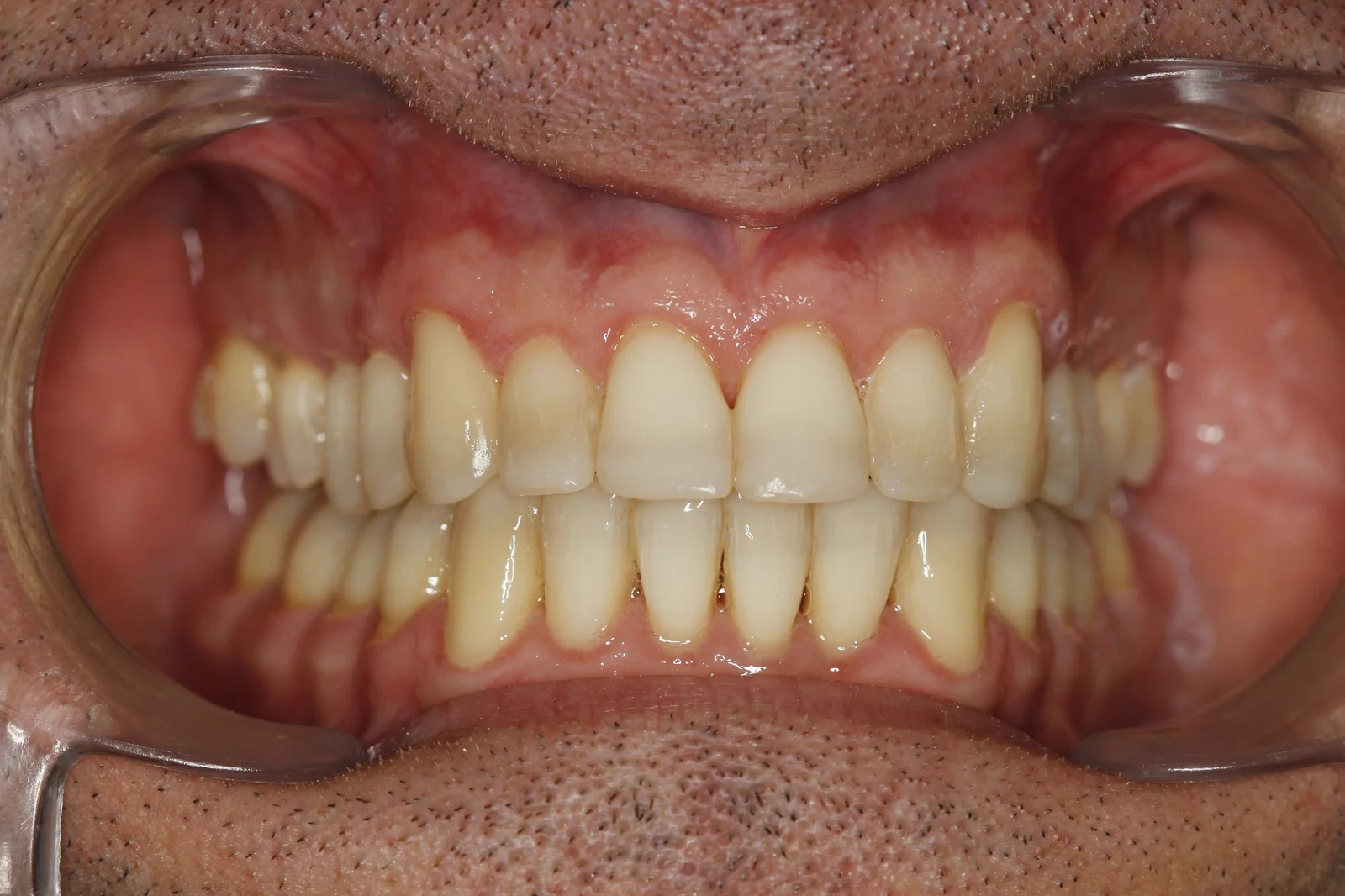
The difference is not only in the mouth. A restored smile changes how someone presents themselves. The patient says he can step out the door with a full smile again.
What makes a multidisciplinary approach at VLIJT different?
Not every dental practice routinely collaborates with other disciplines. At VLIJT Tandartsen in Eindhoven we have a fixed network of specialists with whom we coordinate cases like this.
One: one plan, multiple specialists. The patient has one treatment plan and one overview, even though several practices contribute. We coordinate and make sure every step is aligned.
Two: no ping-pong between practices. Appointments at the orthodontist and at our practice are scheduled in coordination so the path flows. No “go there first, then we’ll see”.
Three: minimally invasive remains the starting point. Even with large paths we choose the least invasive solution that solves the problem durably. In this case that meant composite instead of crowns, as long as the clinical situation allowed it.
Four: deliberate work on the cause. We do not just treat wear, we look at what causes it. Without a conversation about lifestyle, sport, diet or brushing technique, every restoration is temporary.
Five: digital planning. Our wax-up, scans and plans are worked out digitally. So you know upfront what the end result should be, and you can decide based on a real preview.
Frequently asked questions about tooth wear and multidisciplinary treatment
How long does this multidisciplinary path take? It depends on the amount of orthodontic movement needed. Expect 9 to 18 months from start of braces to the end result. The composite buildup itself is a shorter phase at the end of the path.
Does the treatment hurt? The orthodontic phase can give some pressure sensation in the first days after adjustment, similar to any braces treatment. The composite buildup itself is done under local anaesthesia and is painless. Any sensitivity after a session typically disappears within 1 to 3 days.
How long does composite on worn teeth last? With good maintenance and regular check-ups, composite on teeth lasts an average of 7 to 12 years. Often longer if the cause of wear has been addressed. The advantage of composite over crowns: adjusting or refreshing is easier.
Is this path covered by insurance? Restorative work and orthodontics are categorised differently in Dutch dental insurance. We help you upfront with an overview of expected costs so you know what your insurance will contribute. We do not make assumptions about your policy.
Can this be done without braces? Sometimes yes, sometimes no. With mild wear where position is good, we can build up directly with composite. With advanced wear where position is the cause, buildup without orthodontics will lead to new wear. We are upfront about this during the intake conversation.
Do I have to quit swimming or water polo? No. We do recommend a maintenance schedule and possibly protective measures during training. Ask at your intake what fits your sport load.
What if the wear is from grinding? With attrition (grinding or clenching), a protective night guard is often part of the treatment plan. Otherwise you grind the new composite away too. We discuss this as part of the prevention element of the plan.
Looking for a dentist for tooth wear in Eindhoven?
If you notice your teeth are getting shorter, have developed sharper edges, are more sensitive than before, or if others have suggested it, an intake conversation with us is worthwhile. Not to immediately schedule a major path, but to map out what is clinically happening and which solution fits.
At VLIJT Tandartsen in Eindhoven (Strijp-S health centre) we plan an in-depth intake conversation where we map the wear, discuss the cause and clearly explain the treatment options. No pressure to decide today, no sales pitch. Just an honest plan.
👉 Book an intake at VLIJT Tandartsen, we will be in touch within 1 business day.
More about the treatments that can be part of a tooth wear path: