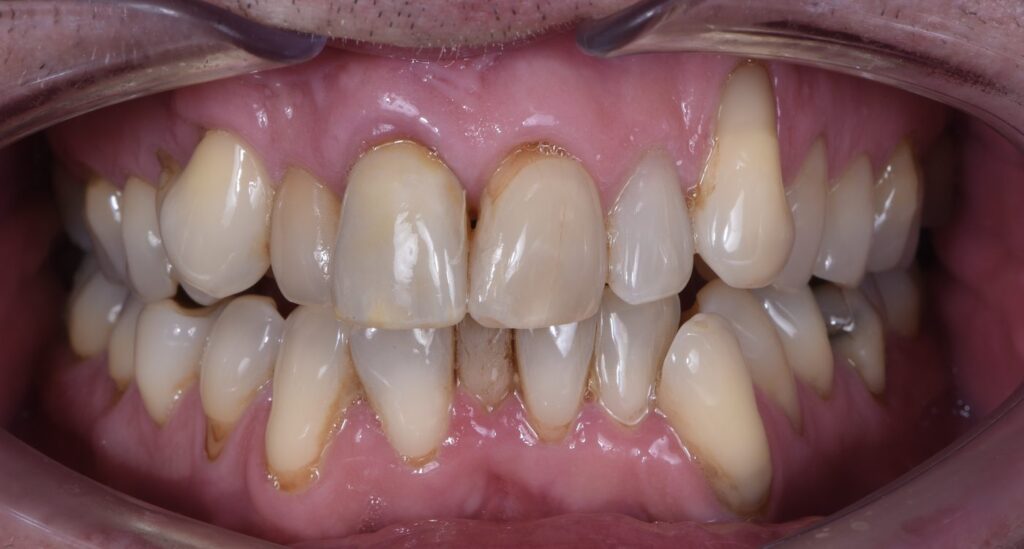

You are finally on holiday, relaxing, and then it hits: a nagging molar that suddenly starts pounding in the middle of the night. Toothache on holiday is not just miserable, it also strikes at the worst possible moment. Far from your own dentist, sometimes in a country where you do not speak the language, with a calendar full of plans you would rather not cancel.
The good news: with a few simple steps you can often ease the pain considerably and bridge the time until you can see a dentist again. In this article you will learn what you can do yourself, what to avoid, when a toothache is an emergency, and how we at VLIJT Dentists in Eindhoven help you quickly once you are back (or if you happen to be nearby).
Why toothache seems to strike in summer
It feels like bad luck, but there are a few logical reasons why toothache so often appears during the holidays.
- Postponed visits. Many people put off a check-up until “after the summer”. A small cavity or an early infection then gets the room to develop, exactly when you are away.
- A different eating and drinking pattern. More cold drinks, ice cream, sweets and sugary cocktails, often at irregular times. That is a challenge for sensitive teeth.
- Pressure changes when flying. If there is already an air pocket under a filling or in an inflamed tooth, the pressure change on a plane can flare up that pain.
- Less attention to your brushing routine. On the road, brushing sometimes slips. Bacteria then get a free pass.
In short: toothache on holiday is rarely pure coincidence. Usually something was already going on that the circumstances bring to the surface.
First aid for toothache: what you can do yourself
Struggling with acute toothache and unable to see a dentist right away? These steps soften the pain and keep the situation under control.
- Rinse with lukewarm salt water. Dissolve half a teaspoon of salt in a glass of lukewarm water and rinse gently. This cleans, soothes the gums and helps calm mild inflammation.
- Keep the area clean. Keep brushing gently and carefully use floss or an interdental brush to remove food between the teeth. Cleanliness matters most when there is pain.
- Cool from the outside. A cold compress or an ice pack wrapped in a cloth against your cheek (15 minutes on, 15 minutes off) reduces swelling and dulls the pain.
- Take a suitable painkiller. Paracetamol or ibuprofen as directed helps to bridge the pain. Ibuprofen also reduces inflammation. Unsure in combination with other medication? Just ask a pharmacy.
- Sleep with your head slightly raised. With your head higher, the blood pressure in the painful area drops. That often eases the throbbing night-time pain.
- Avoid the triggers. Extremely cold, hot, hard or sweet: best avoided until you are treated.
This approach does not remove the cause, but it does give you breathing room until you can be treated professionally.
What to avoid with a toothache
Knowing what not to do is just as important. A few stubborn misconceptions:
- Do not place aspirin on the tooth. Rubbing aspirin on your gums does not help and can even damage the soft tissue in your mouth. Always swallow a painkiller.
- Do not drill or poke yourself. However tempting it is to dig something out, you mainly increase the risk of infection.
- Do not ignore a swollen cheek. Waiting it out is not a solution. Swelling can point to an abscess that needs treatment.
- Do not keep stacking painkillers endlessly. They bridge, they do not cure. If the pain persists, a visit to the dentist is needed.
When is a toothache an emergency?
Most toothaches can wait a few days until you are back with your own dentist. But some signs call for fast help. Contact an (emergency) dentist if you have:
- A thick, quickly growing swelling in your cheek, jaw or neck.
- Fever combined with the toothache.
- Persistent, severe pain that does not respond to painkillers.
- A broken or knocked-out tooth after an accident or fall.
- Difficulty swallowing or breathing due to the swelling. This is an acute situation, so call for professional help immediately.
In doubt? Then calling is always the safe choice. Better once too often than an infection that spreads further.
Toothache near Eindhoven? Here is how VLIJT helps
Are you in the Eindhoven area, or just back from holiday with a toothache that will not go away? Then you are in good hands with us. At VLIJT Dentists we take urgent complaints seriously and try to see you as soon as possible.
On our emergency page you will find exactly how it works and how to reach us fastest. During opening hours you can call us directly on 040-209 2495. We then look together at what is going on and what is needed to get you out of pain, calmly and without a rushed agenda.
Not a patient with us yet, but would like to become one after this summer? Then you can already register as a new patient. That way you avoid having to search all over again at the next complaint.
Prevention is better: check your teeth before you leave
The very best way to avoid toothache on holiday is not to travel with it. A short checklist before you close your suitcase:
- Plan a check-up well before departure. That leaves time to treat a small cavity or a sensitive spot before it becomes a problem.
- Do not leave doubtful cases. If something has been nagging for weeks, do not wait for it to disappear. It usually comes back, preferably on holiday.
- Pack your brushing kit, in hand luggage too. Toothbrush, toothpaste, floss or interdental brushes. A good routine simply travels along.
- Know your options. Know in advance how to reach your dentist (or an emergency dentist), both at home and at your destination.
A healthy mouth brings peace of mind. And with peace of mind you simply enjoy your holiday more.
Frequently asked questions about toothache on holiday
Does clove really help against toothache?
Clove oil contains eugenol, a substance with a mild numbing and anti-inflammatory effect. It can give temporary relief, but it is an emergency fix, not a treatment. The cause remains until a dentist looks at it.
Can I still fly with a toothache?
Usually yes, but pressure differences can make the pain worse. If you have severe symptoms or swelling, it is better to have it checked before boarding.
My child has a toothache on holiday, what now?
The same first-aid steps apply for children, with a painkiller in the right dose for their age (read the leaflet). If the pain persists or there is swelling or fever, seek help. At VLIJT, children are always welcome.
The pain is gone, do I still need to see the dentist?
Yes. A toothache that disappears on its own does not mean the problem is gone. Sometimes a nerve dies and you feel nothing for a while, while the inflammation continues. Always have it checked after the holiday.
Finally
Toothache on holiday does not have to ruin your summer. By acting calmly, applying the right first aid and reaching out in time for a real emergency, you get a long way. And once you are home? Then we at VLIJT Dentists in Eindhoven are ready to tackle the cause properly.
But most important of all is preventive care. Make sure you schedule the advice and proposed treatments from your dentist on time, and do not postpone them until symptoms appear. By tackling small things in time, you prevent bigger problems, including that annoying toothache on the road.
Because healthy teeth are the foundation of a carefree summer. After all, a smile makes life better.
Symptoms that will not go away or swelling? Do not wait. Visit our emergency page or call us on 040-209 2495.